Back

A key part of managing allergic rhinitis is reducing how much you’re exposed to things that trigger your symptoms. In some cases, it is easy to identify what triggers your symptoms, based upon when your symptoms develop. For example, after exposure to a pet at your friend’s house or during a particular season. However, for people that are affected by year-round symptoms, it may be more difficult to identify what exactly is triggering their symptoms. It’s important to realise that you may not be able to avoid every trigger, but there are simple steps you can take to limit exposure depending on what you’re allergic to.

Depending on which type of pollen you’re allergic to, your allergic rhinitis symptoms will happen at different times of the year. Check a pollen calendar or a pollen forecast to keep track and apply following measures to reduce your exposure:
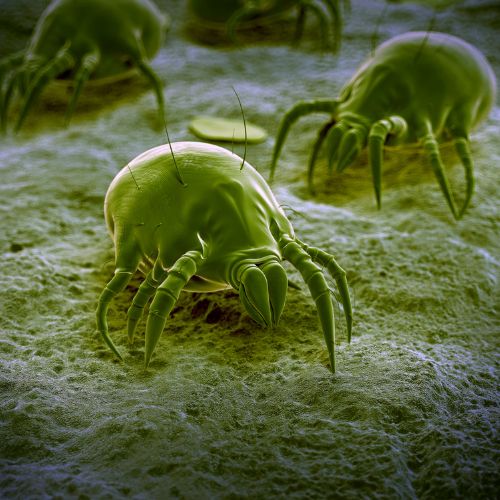
Mites love the humidity in the atmosphere and they feed on organic matter, such as shed human skin. Optimal living conditions for them include sufficient humidity and nests to live in, even though you can’t see them with the naked eye. You can reduce exposure to dust mites by implementing following strategies:

Contrary to popular belief, it’s not an animal’s fur but its dander (dead skin cells or scales, similar to dandruff in humans) that triggers allergies. If you own a pet, you may be advised to rehome it. However, many people find it very difficult to part with a beloved companion. In that case, you can try to reduce your exposure by taking the following measures:
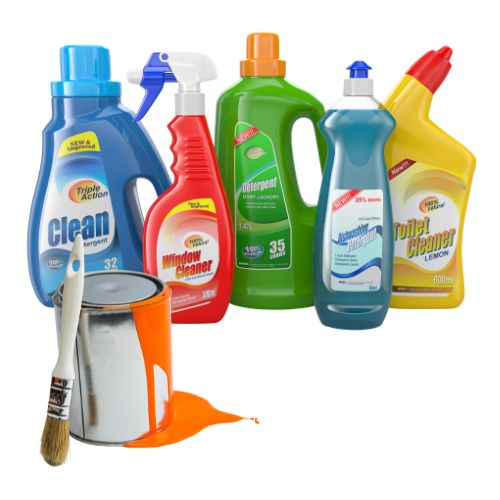
If your symptoms occur mainly at work, easing off when you are away for a day or two, only to worsen when you return, then you should report this and see your occupational health adviser.
This website does not provide medical advice.
The information, including but not limited to, text, graphics, images, and other material contained on this website is for informational purposes only. No material on this site is intended to be a substitute for professional medical advice, diagnosis, or treatment and/or medical treatment of a qualified physician or healthcare provider. EUFOREA is not a medical organisation and cannot provide specific medical advice to patients via the Internet and/or E-mail. All patients are encouraged to direct their specific questions to their personal physicians. EUFOREA presents this information to patients so that patients can understand and participate in their own medical care. EUFOREA strongly emphasises that the information contained on this website is not a substitute for thorough evaluation and treatment by a qualified healthcare provider.
© 2025 - EUFOREA - All rights reserved. All content on this portal, such as text, graphics, logos and images, is the property of EUFOREA. They may not be reproduced, copied, published, stored, modified or used in any form, online or offline, without prior written permission of EUFOREA.